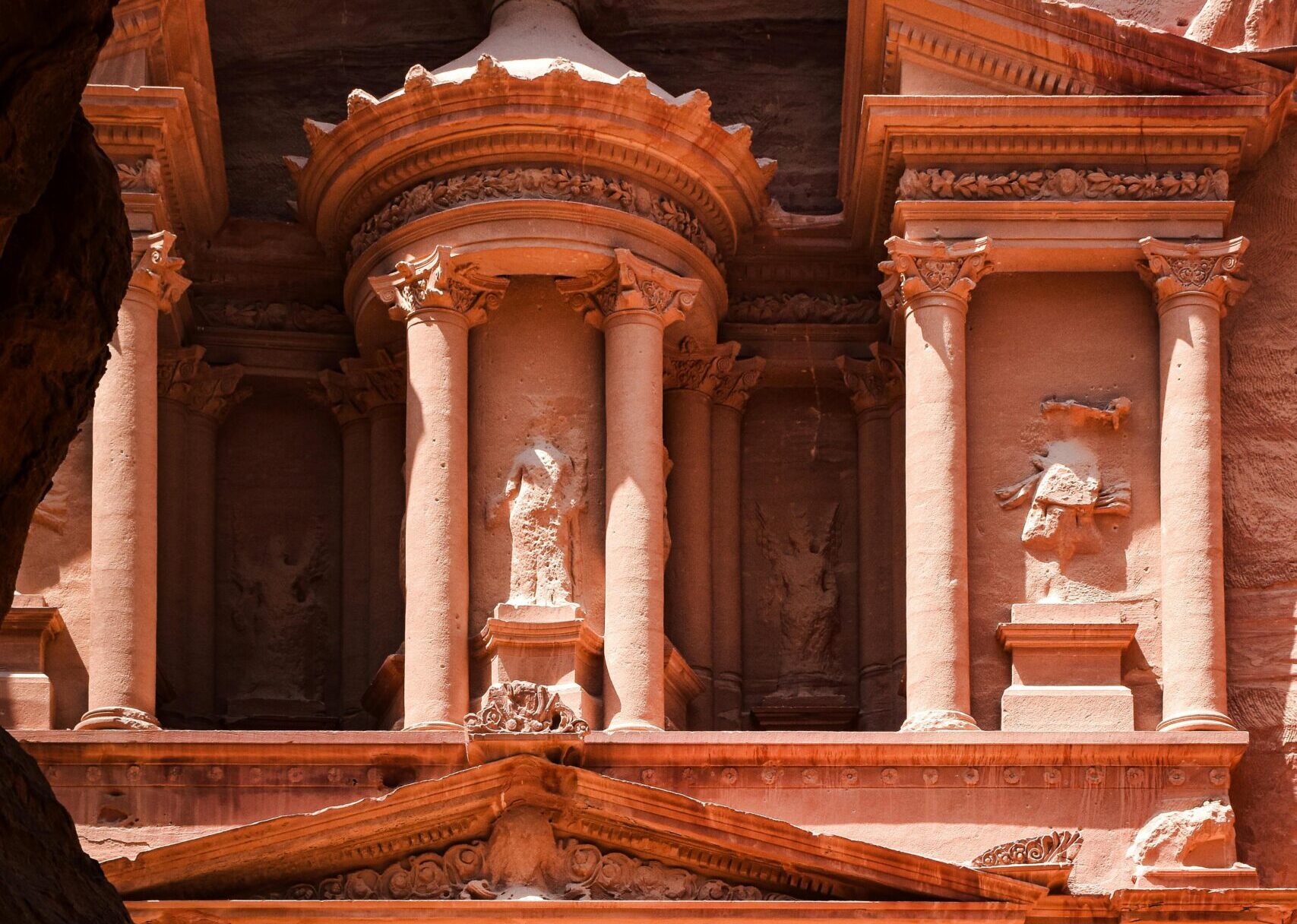
Hidden within a narrow desert canyon in modern-day Jordan lies a city carved directly into stone. Petra, often called the “Rose City” for the color of its cliffs, is one of the most striking architectural achievements of the ancient world.
Yet even today, one question stands out: how did an ancient civilization carve an entire city into solid rock with such precision?
A City Revealed Through Stone
Petra was the capital of the Nabataean Kingdom, flourishing around 2,000 years ago as a major trade hub connecting Arabia, Egypt, and the Mediterranean.
What makes Petra unique is not just its location, but its construction. Instead of building structures from stone blocks, the Nabataeans carved entire facades directly into the cliffs — creating temples, tombs, and monuments that appear almost seamlessly integrated into the landscape.
The Treasury and the Illusion of Scale
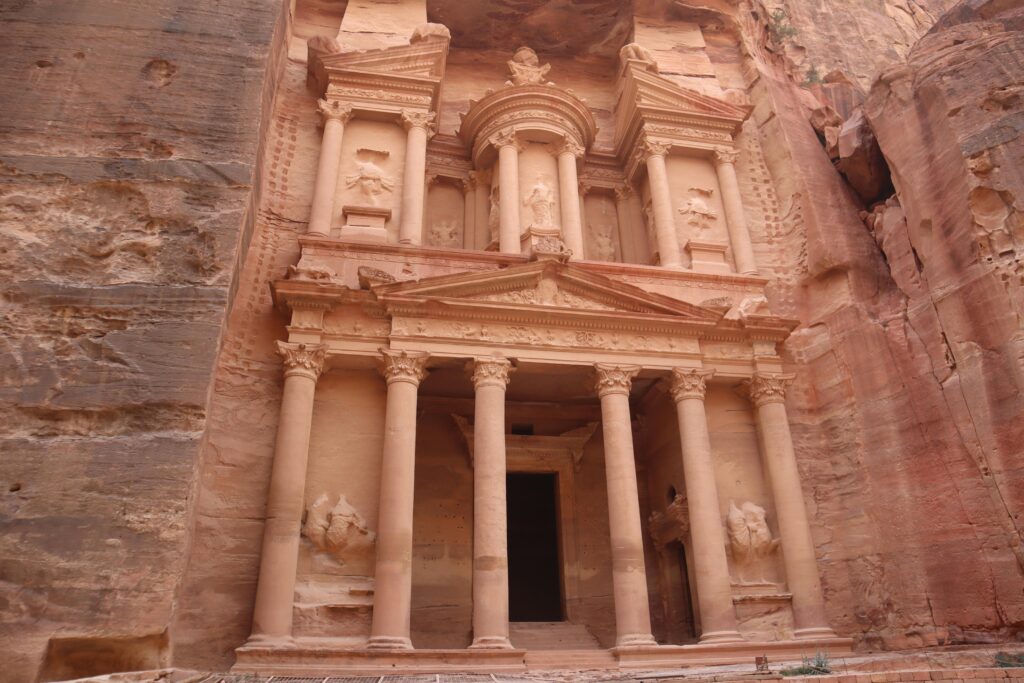
The most famous structure in Petra is Al-Khazneh, known as the Treasury. Standing nearly 40 meters tall, its intricate facade suggests influence from Greek and Roman architecture.
But unlike traditional buildings, it was carved from top to bottom — a method that required precise planning. One mistake could ruin the entire structure.
This raises an important question: how did builders maintain such symmetry and detail without modern tools?
More Than Just a Monument
Petra was not only a ceremonial site. It was a functioning city, home to thousands of people.
The Nabataeans developed advanced systems for water collection and storage, channeling rainwater through the desert and sustaining life in an otherwise harsh environment.
Their ability to combine engineering with architecture suggests a deep understanding of both the natural landscape and long-term planning.
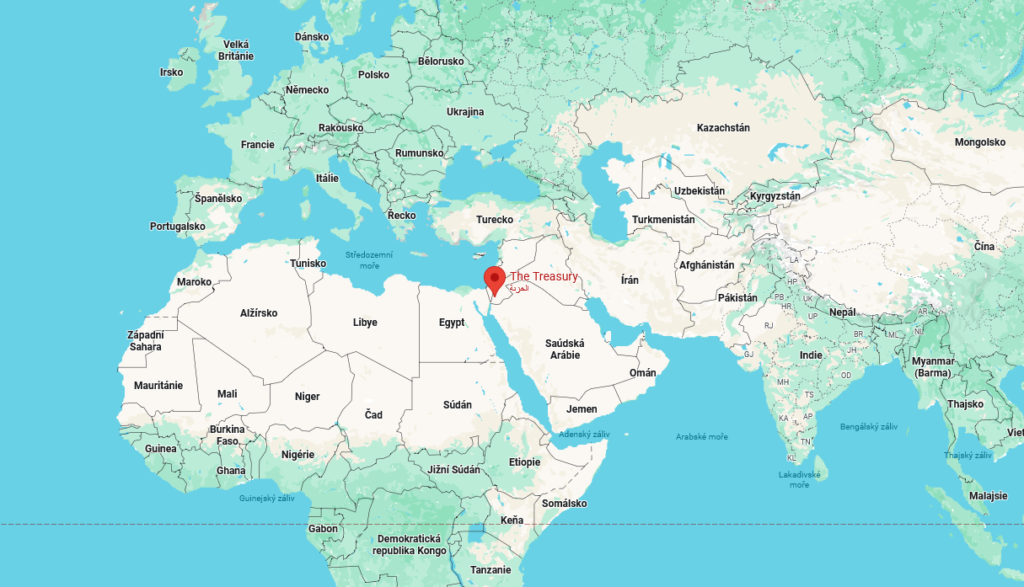
Petra in modern-day Jordan
Why Build Into Rock?
Carving structures into rock offered several advantages. It provided natural insulation from the desert heat and protected buildings from erosion over time.
At the same time, it required immense labor and coordination. Entire teams would have worked in sequence, cutting from the top down and refining details as they moved lower.
This method suggests not only technical skill, but a highly organized society capable of managing large-scale projects.
Between Influence and Innovation
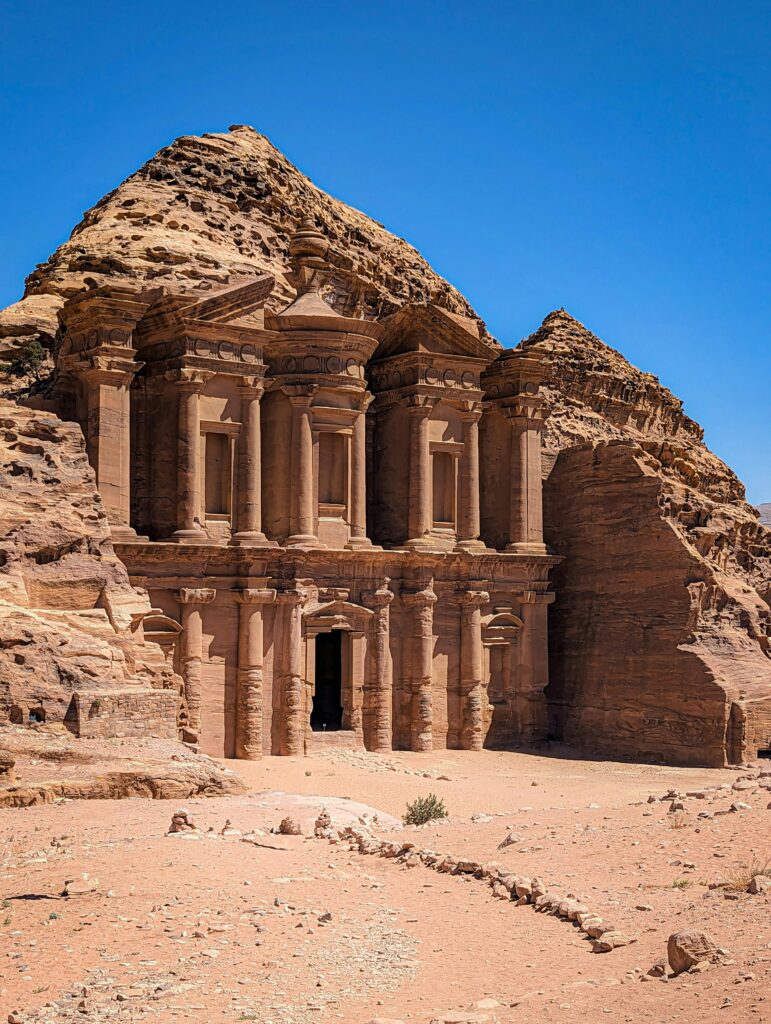
Like many ancient sites, Petra raises questions about cultural influence. Its architectural style blends local traditions with elements seen in Greek and Roman design.
Some theories suggest external inspiration or knowledge exchange through trade routes. However, there is no evidence of outside civilizations directly building Petra.
Instead, it reflects the adaptability and creativity of the Nabataeans — a culture that absorbed ideas and transformed them into something uniquely their own.
A City That Faded Away
Over time, changes in trade routes reduced Petra’s importance. Earthquakes and shifting political landscapes contributed to its gradual decline.
Eventually, the city was abandoned and largely forgotten by the outside world, remaining hidden for centuries until its rediscovery in the 19th century.
A Monument to Human Ingenuity
Today, Petra stands as a reminder of what ancient societies were capable of achieving with limited tools but remarkable vision. Its monuments do not rely on mystery alone — they demonstrate planning, skill, and persistence on a scale that still commands respect.
And while much about Petra can be explained, the scale of what was achieved still feels difficult to fully grasp.
Carved directly into stone, it remains less a mystery of possibility — and more a reminder of how capable ancient societies truly were.
Common Questions About Petra
How was Petra built?
Petra was carved directly into rock cliffs by the Nabataeans, using tools and techniques suited for shaping sandstone.
Why was Petra important?
It served as a major trade hub connecting different regions, allowing the Nabataeans to control and benefit from trade routes.
Why was Petra abandoned?
Changes in trade routes and natural events like earthquakes contributed to its decline and eventual abandonment.